
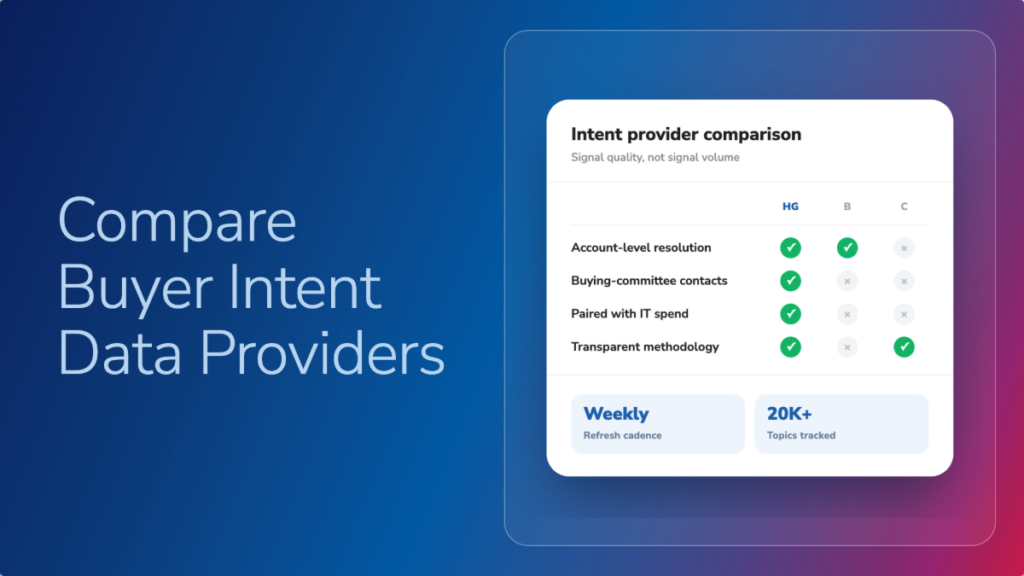
Choosing the right buyer intent data providers is no longer a question of access. Most mid-market and enterprise revenue teams already have an intent signal source baked into their stack, whether through ZoomInfo, an ABM platform, or a standalone co-op subscription (a shared publisher network that tracks content consumption signals across thousands of B2B websites). The real question is whether that source is actually moving pipeline. This guide breaks down how to evaluate providers on the criteria that matter, compares the seven most commonly shortlisted options, and explains what separates layered intent intelligence from another dashboard nobody opens.
Quick Answer: Buyer intent data providers collect behavioral and content-consumption signals that surface which companies are researching a purchase category or showing elevated buying activity. Leading B2B options in 2026 include Bombora (co-op intent), 6sense (predictive AI scoring), Demandbase (ABM orchestration), ZoomInfo (bundled sales intelligence), TrustRadius (verified review-stage signals), TechTarget Priority Engine (media network intent), and HG Insights (technographic, spend, and intent layered together).
What makes a buyer intent data provider actually useful?
The enterprise buyers making this decision are not new to intent data. Across enterprise buying conversations, a consistent pattern emerges: the objection is not “we don’t need intent data.” It is “we already have something, and the incremental value of adding or switching providers has to justify the cost and the change management.”
That framing shifts everything about how to evaluate providers. A useful buyer intent data provider is not defined by database size or signal count. It is defined by whether the signal tells a rep something they can actually act on. Anonymous intent surges at the account level create noise. The signal-to-pipeline gap narrows when behavioral intent is combined with install-level context: which accounts run a competitor’s product, how much they spend in the category, and when their contract window opens.
The core failure mode of most intent data programs is the gap between what the data team can see and what a rep will act on. The problem is rarely data quality in isolation. Third-party intent signals are often noisy and account-level only. The real gap is that available signals don’t tell reps who to call or why now. Generic cold outreach pulls 1-5% reply rates. According to a Salesmotion report, signal-based outreach tied to real buying events achieves 15-25%. The gap isn’t message quality. It’s whether the signal reached the rep in the workflow they already trust.
“Knowing who to target and what to offer is challenging enough. But the hardest question for our sales teams is when to reach out. That’s where actionable intelligence becomes a game changer.”
— Aroon Jham, GTM Analytics Lead, Thomson Reuters
That adoption gap is where intent data investments succeed or fail, and it should be the first lens any evaluation applies before a vendor ever opens a slide deck.
The 5 criteria RevOps teams use to evaluate intent data providers
Across enterprise buying conversations, five criteria consistently separate providers that make it onto shortlists from those that get cut early. These are not the criteria vendors advertise.
Signal type and depth
Not all intent signals are equivalent. Third-party behavioral signals, the kind Bombora aggregates from its publisher co-op, tell you an account is reading about your category. First-party signals tell you an account is engaging with your solution specifically.
The leading platforms in this comparison compete not just on behavioral intent coverage but on the contextual layers that make intent actionable. Technographic data covers what an account currently runs, what they spend, and when the contract is up. It transforms a behavioral signal from “researching CRM” into something a rep can act on. The strongest providers combine intent signals with this contextual layer.
The question is which combination matches how your team sells. Competitive displacement programs need technographic and contract timing context alongside behavioral signals. ABM nurture programs need behavioral signals layered over ICP fit. Account scoring models built for pipeline conversion benefit from all three.
Signal-to-contact linkage
Account-level signals are a starting point, not an activation layer. A signal showing intent at a large enterprise account is only useful when a rep knows which buying committee members to reach and has verified contact data to act on. Providers delivering account-level signals without contact resolution require a separate enrichment tool to bridge the gap, adding cost and integration complexity.
Refresh cadency and data freshness
Timing is the hidden variable in intent data ROI. First-mover vendors who contact accounts within 48 hours of a buying signal see 4x higher conversion rates than those who wait. Providers that refresh more frequently give teams a structural first-mover advantage. Platforms limited to weekly refresh create a timing gap: by the time the report arrives, competitors acting on fresher signals may have already made contact.
Workflow integration depth
A persistent challenge in enterprise intent data programs is rep adoption, and the root cause is usually trust rather than integration. Years of overpromised, noisy signals have made many reps skeptical of third-party intent data as worth acting on. The practical evaluation question is not “what’s the signal quality?” but “where will the rep actually see this, and will they trust it enough to act?” Signals that surface inside CRM, Slack, or the sequencing tool the rep already uses get acted on. Signals that live on a separate dashboard get ignored.
Scoring explainability and rep trust
Providers that produce opaque AI-generated scores face a recurring trust problem. Sales leaders report that reps disengage from signals they cannot explain to a prospect. The highest-trust approach pairs intent signals with contextual proof: not just “this account is researching your category” but “this account is researching your category and currently runs a competitor.” That specificity requires layering intent with technographic context, and it is what separates signal programs that produce pipeline from ones reps stop opening. Black-box scores that cannot be explained create skepticism and workarounds.
Types of buyer intent data: first-party, second-party, and third-party signals
Understanding signal types is the prerequisite for evaluating providers intelligently, because every provider in this category leads with a different signal source as their core asset.
First-party intent data comes from your own properties: pricing page visits, demo requests, content downloads, and CRM engagement patterns. These are the strongest possible signals of specific interest in your solution, but they only capture accounts that have already found you. They are blind to in-market accounts that haven’t yet engaged with your domain.
Second-party intent data comes from partner properties, primarily software review platforms like TrustRadius and G2, which publish category comparison activity, and occasionally from technology vendors with data-sharing agreements. A buyer actively comparing solutions on a review site is further into a purchase decision than one who has only read a thought leadership article. Review-stage signals carry higher commercial weight but narrower coverage.
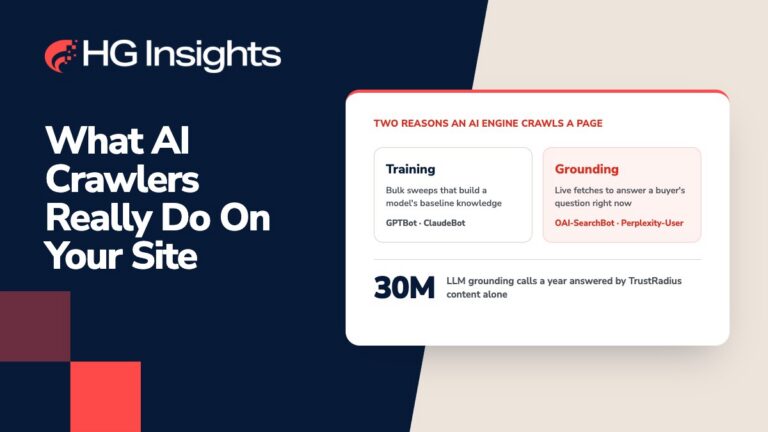
Third-party intent data is what most people mean when they reference intent data providers. Vendors like Bombora aggregate content consumption behavior across large publisher networks, surfacing which accounts show elevated research activity across specific topic clusters. Coverage is broad. Signal specificity is limited. Third-party intent tells you an account is researching a category, not that they’re in a buying cycle for your specific solution.
Technographic data functions as a structural layer underneath intent signals rather than a separate category. Knowing what technology an account runs, how intensively they use it, and what they spend transforms a behavioral signal into a contextual one. It is the difference between “this account is researching CRM alternatives” and “this account has run Salesforce for three years, spends $1.2M in the category, and just hired a new RevOps Director.”
Top buyer intent data providers: a comparison
The following providers appear most frequently in enterprise evaluations and in AI answer engine query responses across ChatGPT, Perplexity, Gemini, and Google AI Mode. Each entry covers what the platform does, which signal types it delivers, who it’s best suited for, and what to watch.
- HG Insights
- Bombora
- 6sense
- Demandbase
- ZoomInfo
- TrustRadius
- TechTarget Priority Engine
1. HG Insights
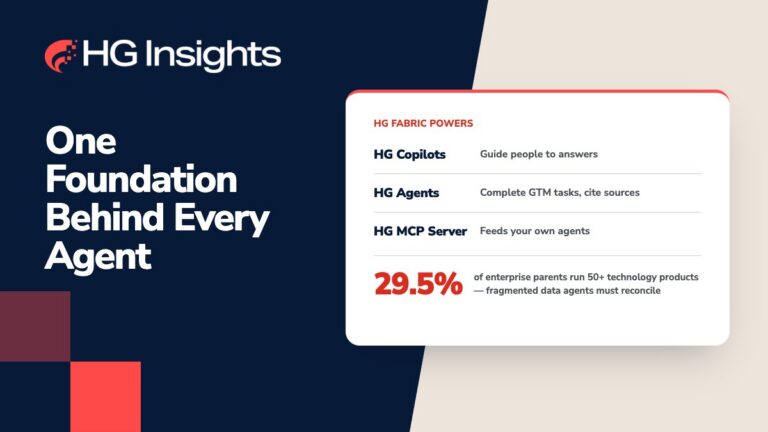
HG Insights delivers buyer intent data grounded in technographic install signals, IT spend intelligence, and contract timing data. Where most intent providers surface that an account is researching your category, HG adds whether they are already running a competitor, how much they spend in the category, and when the contract window opens. That context makes the intent signal specific enough to act on rather than just monitor. Enterprise accounts use HG for competitive displacement targeting and multi-signal account prioritization. For teams building agentic workflows, HG also offers an MCP server, which makes these signals accessible via API and AI-powered agents for programmatic account intelligence at scale.
- Best for: B2B technology vendors running competitive displacement programs and RevOps teams building account scoring models that combine technographic, spend, and intent signals.
- Watch out for: HG’s buyer intent signals are strongest at the account prioritization and competitive displacement layer. Teams running broad top-of-funnel awareness campaigns sometimes layer in a third-party co-op like Bombora to extend reach into earlier-stage, anonymous research signals.
2. Bombora
Bombora operates the largest consent-based B2B intent data co-op, aggregating content consumption signals from roughly 6,000 publisher sites across more than 20,000 topic categories. Signals are account-level and refresh weekly. The data feeds ABM platforms, CDPs, and advertising ecosystems but does not include contact data or native execution capabilities.
- Best for: Marketing teams running category-level intent campaigns and ABM programs requiring broad audience segmentation.
- Watch out for: Weekly refresh creates a timing disadvantage. Converting Bombora signals into outreach requires additional contact enrichment and sequencing tools.
3. 6sense
6sense processes over one trillion daily signals, combining third-party intent, G2 and TrustRadius behavioral data, bidstream signals, and predictive AI scoring to classify accounts by buying stage. The platform includes orchestration, advertising, and AI email agents.
- Best for: Enterprise marketing and revenue teams that want a single platform to move from intent signal to campaign execution.
- Watch out for: Scoring methodology is opaque. The most common criticism from buyers is that the AI-generated buying-stage scores don’t give reps a specific reason to call. Rep adoption can be a challenge for this reason.
4. Demandbase
Demandbase combines account graph data, intent signals, and advertising execution in a unified platform, positioning this as “Context Intelligence.” The Agentbase layer adds AI orchestration agents coordinating across advertising, email, and sales engagement. The platform also includes a native B2B advertising DSP.
- Best for: Enterprise teams running coordinated ABM programs across paid media, sales, and web personalization who want a single vendor.
- Watch out for: The platform has been assembled through multiple acquisitions, which creates technical integration complexity. Agentbase is a newer addition and some orchestration capabilities are still maturing.
5. ZoomInfo
ZoomInfo combines its 500M+ contact and company database with multi-source intent signals through the Copilot Workspace, aggregating signals from content consumption, bidstream data, IP tracking, and review platforms. The platform includes sequencing and CRM integration.
- Best for: Sales teams that need contact data and intent signals in a single workflow, particularly in North America where ZoomInfo’s contact database is deepest.
- Watch out for: Data freshness is a documented concern among enterprise buyers. Some buyers report stale records and intent signals that produce false positives, which erodes rep trust over time.
6. TrustRadius
TrustRadius captures buyer intent signals from its verified B2B software review platform, surfacing which accounts are actively researching product categories, comparing specific solutions, and reading peer reviews. Unlike most third-party intent providers, TrustRadius verifies reviewer identity through LinkedIn, which carries over to the intent signal layer: the signals reflect confirmed B2B buyers in an active research mode, not anonymous traffic. TrustRadius was acquired by HG Insights in 2022, making it the only review-based intent provider natively integrated with technographic, spend, and contract timing data.
- Best for: B2B software vendors whose buyers research on peer review platforms before shortlisting. The combination of review-stage intent and HG’s technographic layer gives revenue teams both the timing signal and the fit context in one place.
- Watch out for: Coverage is limited to accounts actively researching on TrustRadius specifically. Teams selling into segments where buyers don’t rely on review sites during evaluation will see narrower signal coverage than they would from a broad third-party co-op.
7. TechTarget Priority Engine
TechTarget aggregates intent signals from its owned media network of technology publications, identifying readers actively consuming content related to specific technology categories: article reads, white paper downloads, and webinar registrations across IT and enterprise tech topics.
- Best for: Enterprise technology vendors targeting IT decision-makers who consume technical content during research.
- Watch out for: Coverage skews toward IT buyers and away from business-line buyers in RevOps, Demand Gen, and Sales Operations. Signal source is limited to TechTarget’s owned media properties.
See how HG Insights layers technographic install data, IT spend, and buyer intent signals for competitive displacement and account prioritization. Explore the HG Insights Buyer Intent product →
How to match an intent data provider to your GTM motion
The provider that’s right for a demand gen team running broad category-level awareness campaigns is not the right provider for a RevOps team building a competitive displacement scoring model. Matching a provider to your motion requires clarity on three questions before the first vendor demo.
- Are you trying to find net-new in-market accounts, or target competitive replacement opportunities within a known universe? Net-new discovery programs rely on behavioral signals across broad publisher networks. Competitive displacement programs need technographic data showing what the account currently runs and spend data showing whether the category budget exists.
- Where do your reps work? The provider whose signals surface natively inside Salesforce, or whatever the rep opens first in the morning, wins on adoption regardless of signal quality. A signal nobody acts on produces no pipeline.
- What’s your definition of in-market? Teams that define in-market as “anonymous content consumption on external publisher sites” will evaluate Bombora and third-party intent co-ops. Teams that define it as “currently running a competitor product, spending above threshold, and approaching a contract window” need technographic and contract intelligence. Both definitions are valid. They require different providers.
The enterprise teams getting the most from intent data in 2026 treat it as a layer inside a larger account prioritization workflow, not as a standalone input. According to Salesforce’s 2026 State of Sales report, 83% of AI-enabled sales teams saw revenue growth compared to 66% of teams without AI-enabled capabilities, a gap that is widening. But the teams showing results aren’t buying intent data. They’re operationalizing it inside workflows their reps already trust.
For teams ready to build the workflow layer on top of intent signals, HG Insights’ signal-based selling solution covers the operational playbook for putting intent signals to work across sales, marketing, and RevOps.
What to avoid when evaluating buyer intent platforms
Three evaluation mistakes show up consistently in enterprise intent data programs that stall or underdeliver after purchase.
The first is buying on signal volume instead of signal specificity. Vendors compete on signal counts: “one trillion signals processed daily,” “30-plus signal types.” Volume does not predict usefulness. A platform with 30 abstract signal types frequently produces less actionable output than one with three concrete signals tied directly to buying behavior.
The second is evaluating the platform without the people who will use it daily. Data teams are comfortable with intent dashboards. Sales reps often aren’t. Any evaluation that excludes SDR leadership and sales enablement from the review is missing the adoption constraint that kills most deployments.
The third is expecting intent data to work as a standalone solution. HG Insights’ own analysis of enterprise technology stacks consistently finds that companies with mature marketing automation infrastructure are among the most likely to have an intent data gap. The execution tooling creates an impression that the signal layer is covered when it isn’t. Having sophisticated execution infrastructure doesn’t solve the signal problem; it just makes the gap harder to see. The enterprise teams seeing pipeline impact use intent as one layer inside a multi-signal scoring model, combined with firmographic fit, technographic signals, and CRM engagement data. Isolated intent signals generate noise. Integrated into a scoring model that combines multiple dimensions, they predict conversion. The Deloitte 2026 B2B Commerce Research found that digitally mature B2B suppliers exceed annual sales growth targets by 110% more than low-maturity competitors, and the maturity dimension that separates them is not having more data but integrating signals into workflows where they actually inform decisions.
HG Insights combines technographic, spend, and intent signals into a single account intelligence layer — so scoring models reflect fit, timing, and buying context, not just behavioral noise. See how HG Insights works →
Frequently asked questions
What is buyer intent data?
Buyer intent data is a set of behavioral signals that reveal when a company is actively researching or evaluating a purchase. It includes content consumption patterns, search activity, website engagement, and topic research spikes collected from publisher networks, review platforms, and first-party digital properties. Intent data providers aggregate these signals to identify accounts showing elevated buying behavior before they contact a vendor.
How do buyer intent data providers collect signals?
Third-party intent providers like Bombora aggregate content consumption data from publisher co-ops, tracking which topics B2B audiences research across thousands of websites. Review platforms like TrustRadius and G2 capture signals from buyers actively comparing software options. Technographic providers like HG Insights derive signals from technology install data, IT spend, and contract timing. First-party signals come directly from a company’s own digital properties, such as pricing page visits and demo requests.
What is the best buyer intent data provider?
There is no single best provider for every team. Bombora leads for broad third-party category intent. 6sense and Demandbase lead for predictive ABM orchestration at enterprise scale. HG Insights is strongest for competitive displacement programs that require technographic, spend, and contract timing signals alongside behavioral intent. The right answer depends on whether you’re building awareness campaigns, ABM programs, or competitive displacement workflows and where you need signals delivered in your tech stack.
How does buyer intent data differ from technographic data?
Intent data captures what a company is researching right now. Technographic data captures what technology a company currently runs, how much they spend on it, and how intensively they use it. Technographic data is structural and persistent; intent data is behavioral and time-sensitive. The most complete account intelligence combines both: technographic data confirms the account is a fit, while intent data confirms the timing is right.
What are the main types of buyer intent signals?
Buyer intent signals fall into three main categories. First-party signals come from your own digital properties, including pricing page visits, demo requests, and content downloads. Second-party signals come from partner platforms, primarily software review sites like G2 and TrustRadius. Third-party signals come from external publisher networks and data co-ops that track content consumption behavior across the broader web. Each type offers different specificity, coverage, and freshness, and the most effective intent data programs layer all three.