

Should Sales and Marketing Share GTM AI Agents? A RevOps Decision Framework
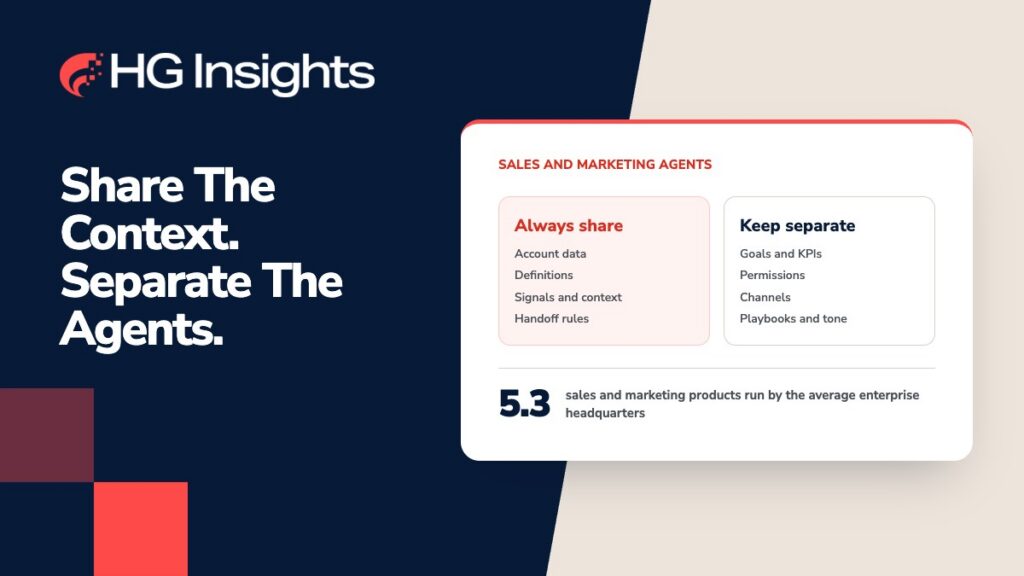
GTM AI agents are software agents that research accounts, score leads, and draft messaging without a person running each step. As teams add them, RevOps leaders keep hitting the same agentic GTM question: should sales and marketing run the same agent, or their own? For the definition of agentic GTM itself, see Agentic GTM Explained. […]
How to Set Guardrails for Autonomous Sales Agents: A RevOps Framework
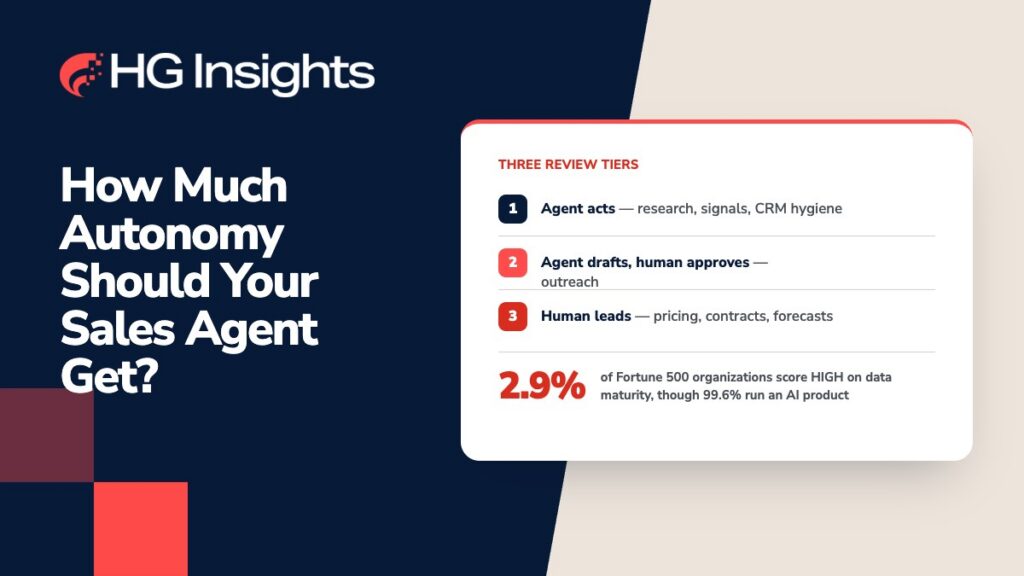
An autonomous sales agent can research accounts, draft outreach, and update records without a rep touching each step. How much autonomy it earns depends on the risk of each action and the quality of the data behind it. Sales ops and RevOps leaders set that boundary. This post sorts agent work into three review tiers, […]
Build vs Buy AI Agents: Why Your First GTM Agent Shouldn’t Be a Finished AI SDR
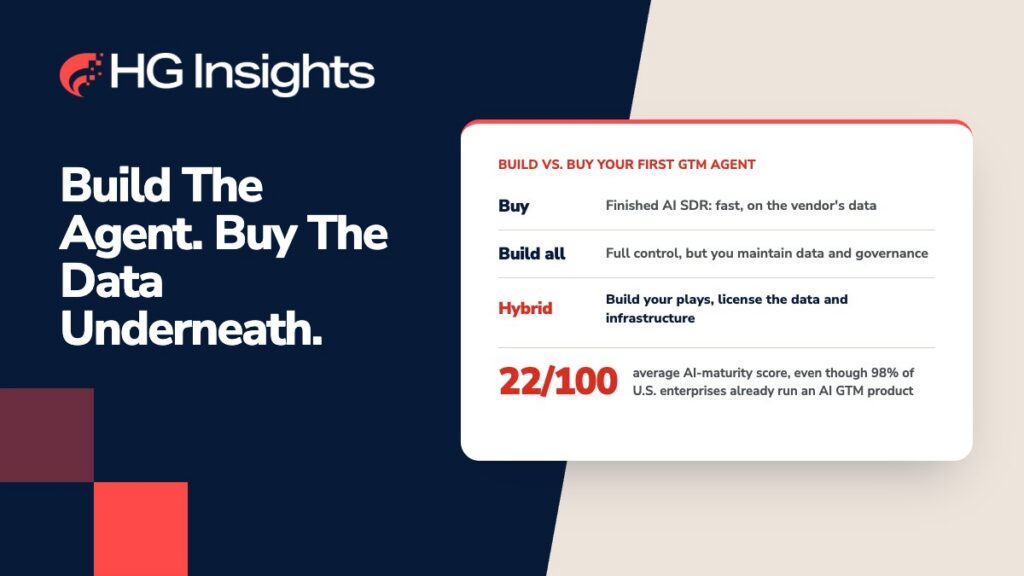
Build vs buy AI agents is the first real decision a GTM team faces once leadership asks for an AI SDR. Buying a finished tool is quick, but it locks in the vendor’s data and messaging. Building everything yourself means maintaining data, access, and governance that were never your core work. This post shows where […]
HG Fabric: The Contextual Intelligence Foundation for Agentic GTM
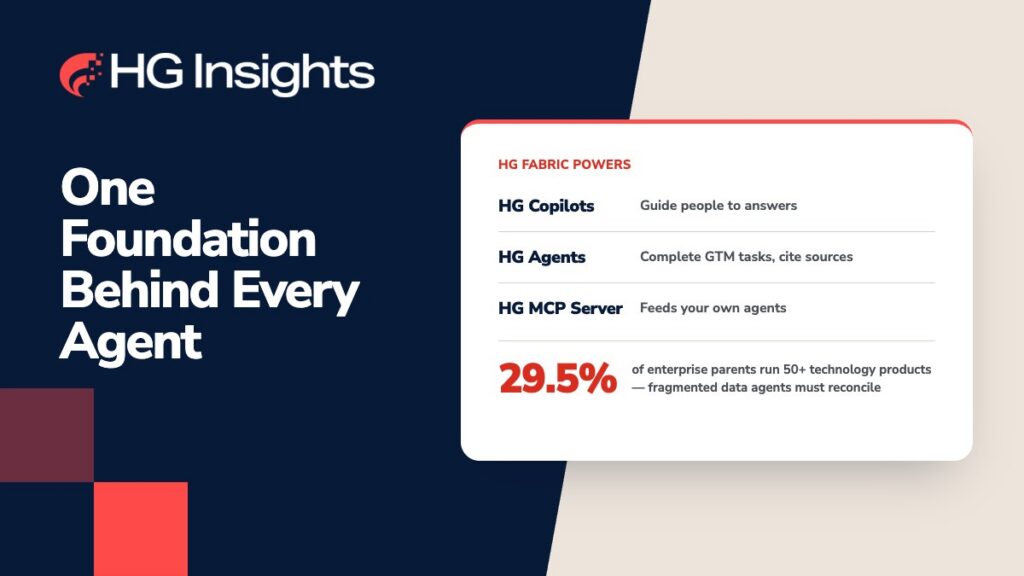
HG Fabric is the intelligence foundation of the Contextual Intelligence Platform. It connects technology installations, spend, intent, accounts, buying centers and contacts, tracks change over time, and reveals signals that AI agents and GTM teams can act on with confidence. Why does AI execution depend on the intelligence beneath the agent? AI is now embedded […]
Rox AI vs. Cargo vs. Lantern: Where Each One Fits in an Agentic GTM Stack
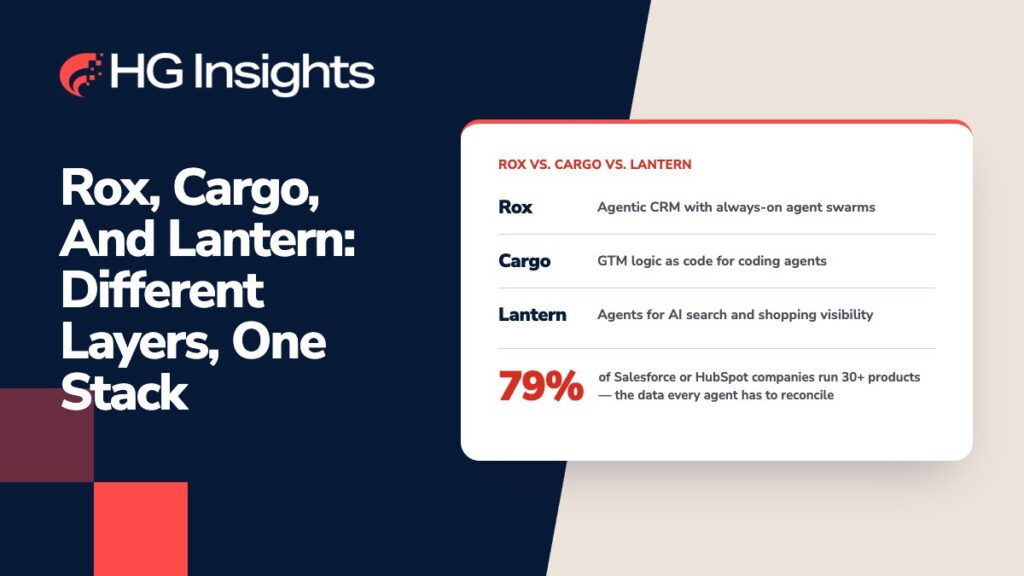
Rox AI, Cargo, and Lantern keep showing up in the same conversations about agentic GTM infrastructure, and they are not building the same thing. Rox is an agentic CRM. Cargo is a data layer for coding agents. Lantern builds agents for AI search and AI shopping visibility. Teams that treat “agentic GTM” as one category […]
Contextual Intelligence: The Intelligence Layer for Agentic GTM
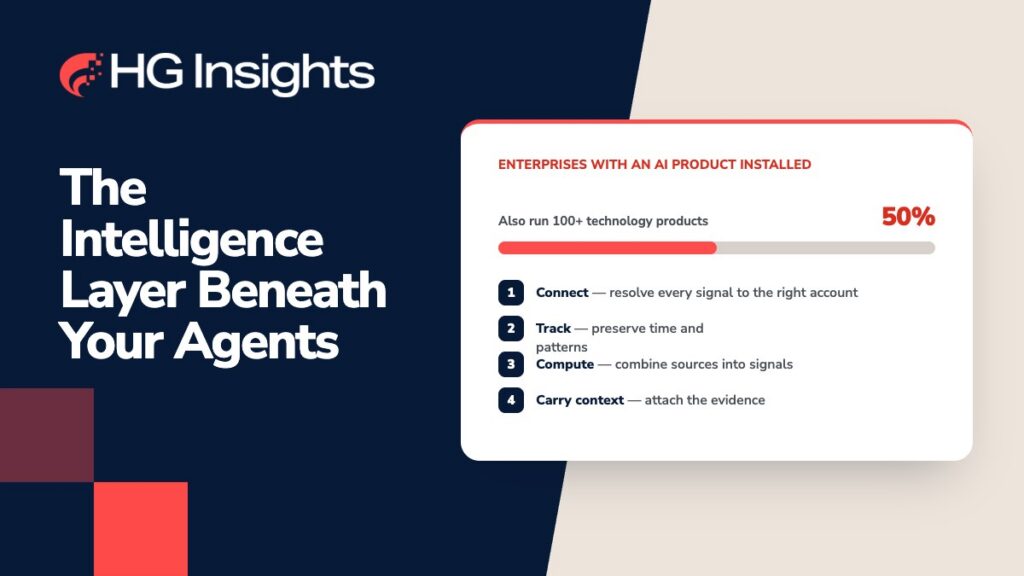
Contextual Intelligence is a complete, trusted, connected picture of markets, accounts and buyers, expressed as decision-ready signals for people and AI. It resolves each signal to the right company, preserves time and evidence, and combines sources so GTM teams know what matters, why it matters now and what action fits. In go-to-market, contextual intelligence is […]
When Everyone Has AI, Where Does Competitive Advantage Come From?
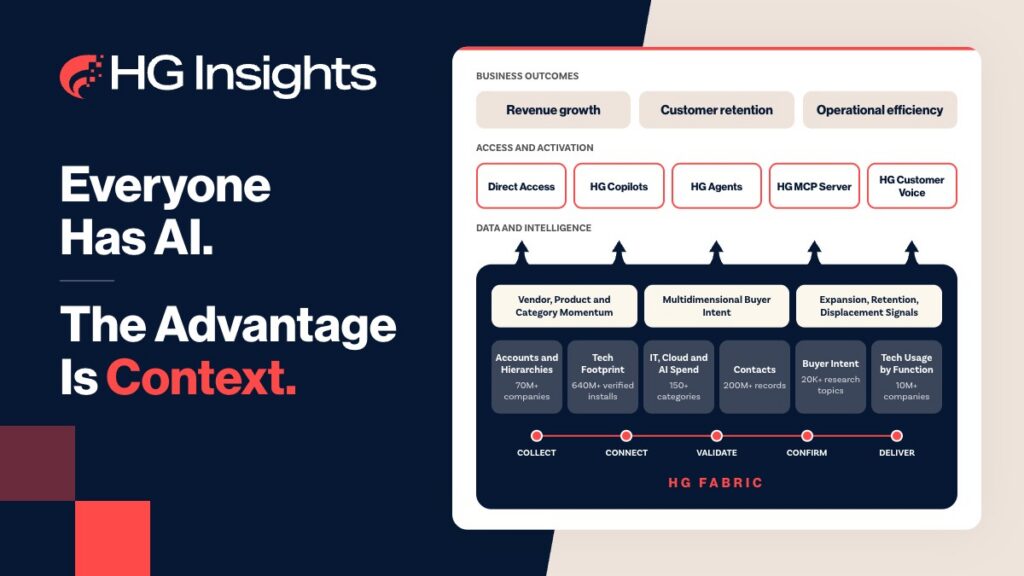
On October 6, we launched our Contextual Intelligence Platform. Here is why I think this launch matters to you. Every customer I speak with is investing in AI to improve GTM productivity and ultimately exceed their revenue growth plans. The speed of adoption is astonishing. Teams are using AI to research accounts, score opportunities, build […]
AI Agent Infrastructure: The Data Foundation Every GTM Agent Needs
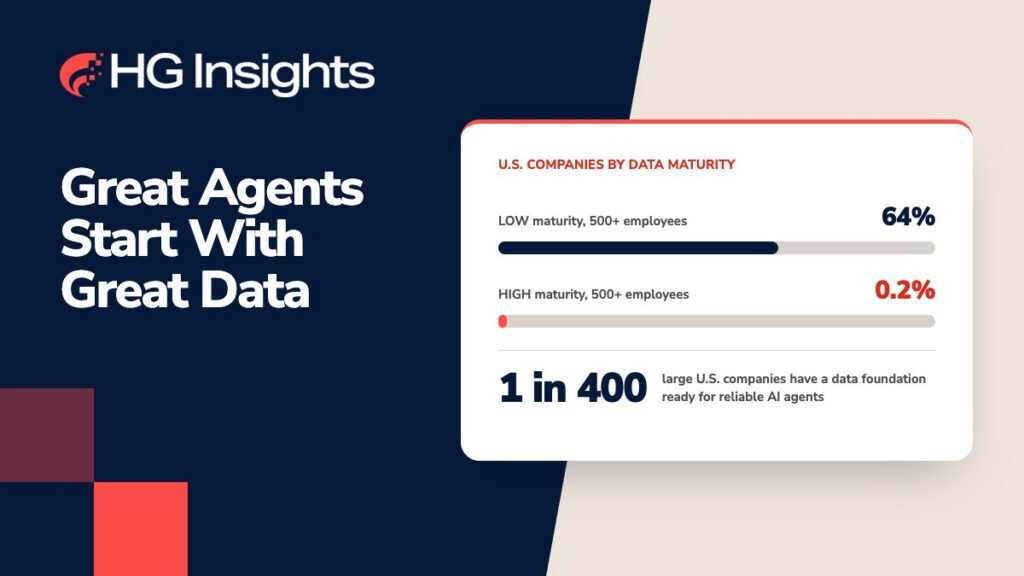
AI agent infrastructure covers orchestration, model and runtime access, tool permissions, security, and observability, but none of that matters if the data foundation underneath is broken. Sales and RevOps teams are moving fast to deploy agents for account research, outbound personalization, and pipeline prioritization, but most of that effort assumes the data underneath is already […]