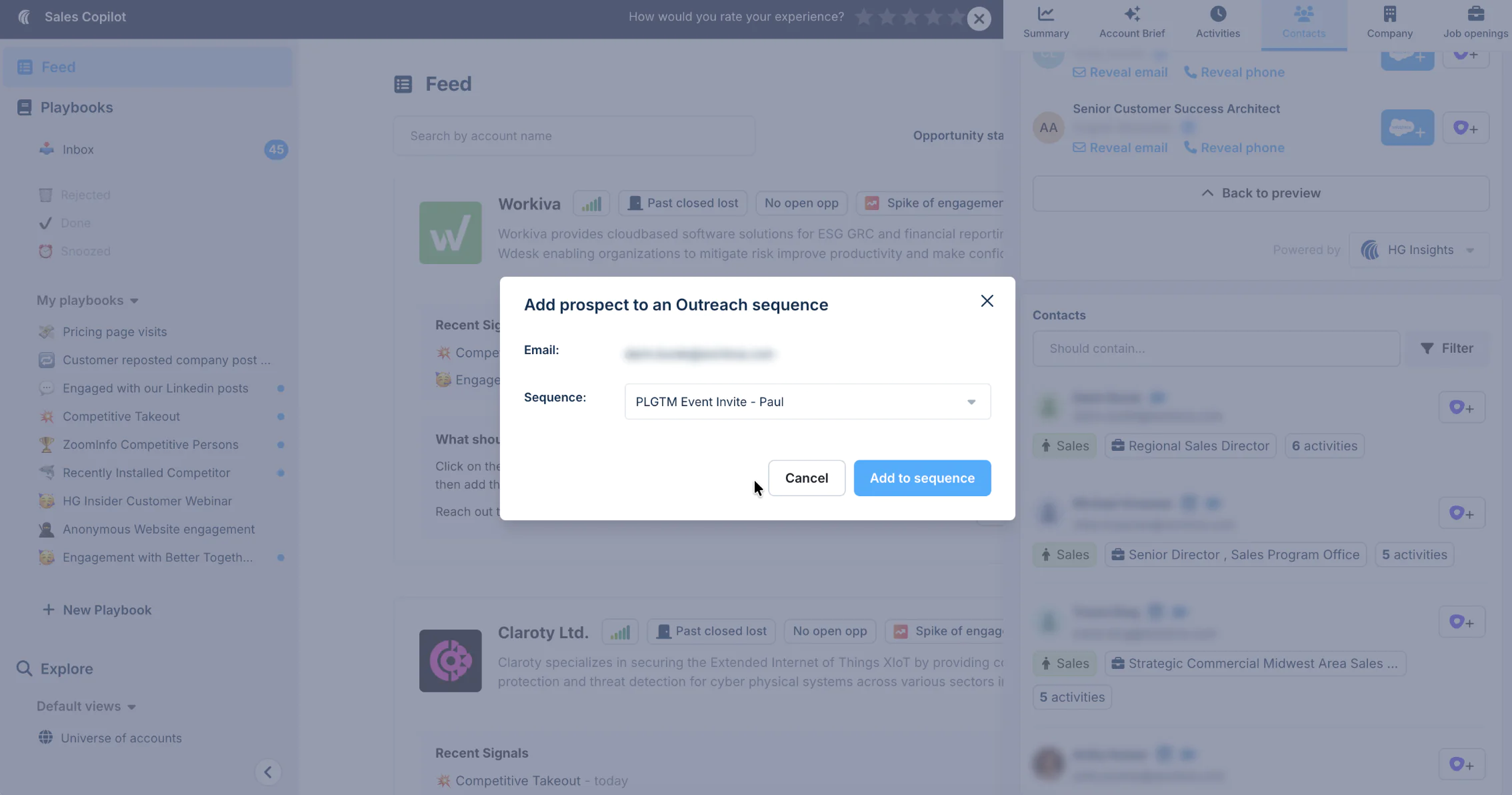
Identify High-Intent Accounts Using Signal-Based Prioritization
The HG Insights Contextual Intelligence Platform combines real-time buying signals, AI-driven scoring, and Contact Intelligence in a single workflow, helping revenue teams prioritize the right accounts and activate the right contacts.
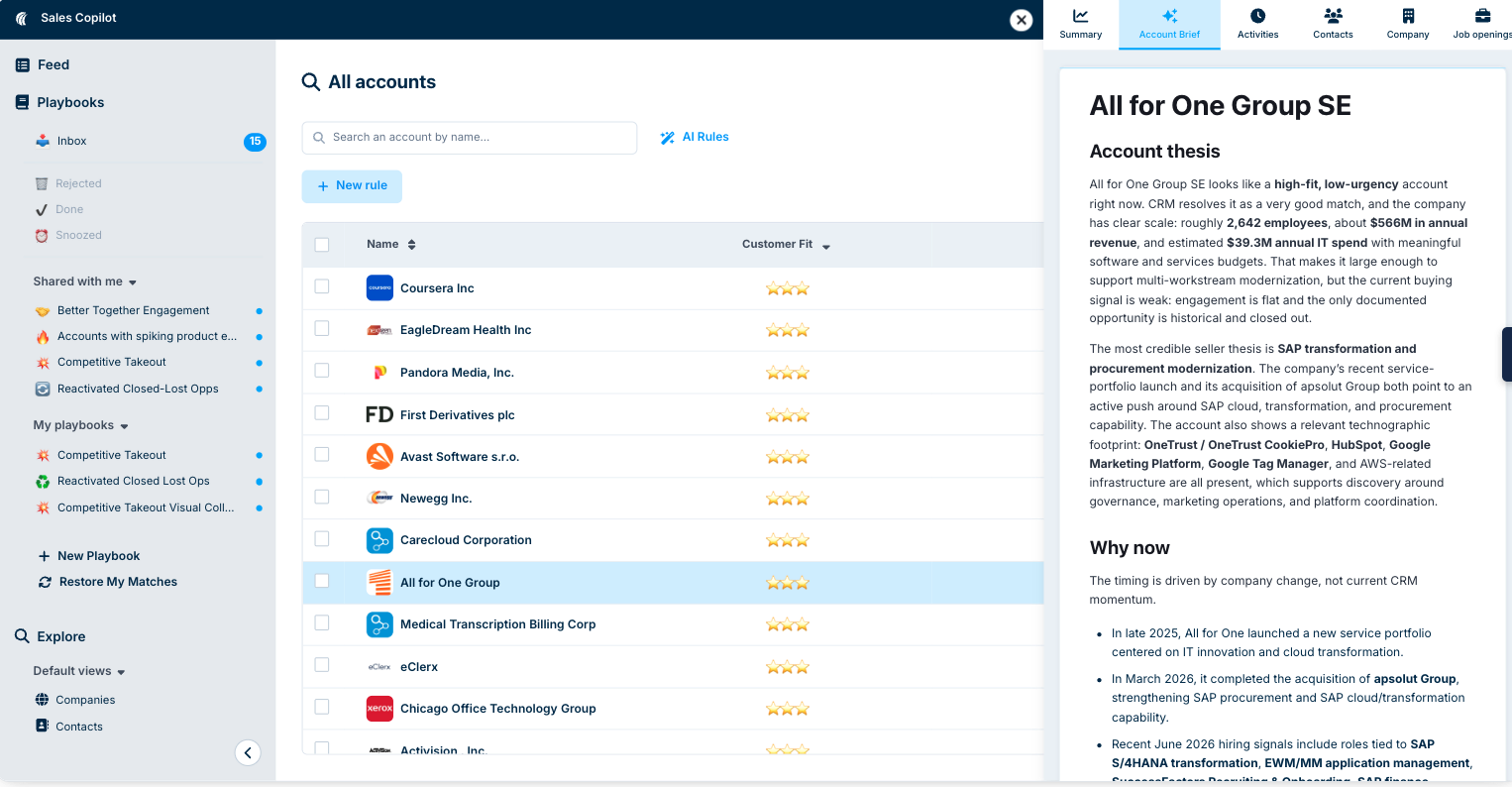
Challenges in Account Prioritization

Challenges
Chasing Low-Fit Accounts
Blind Spots in Readiness
Manual Prioritization Effort
Black Box Scoring Models
Incomplete Signal Sources
Disconnected Contact Data

Solutions
Prioritize by Buyer Intent
Integrate Diverse Signals
Automated Daily Ranking
Transparent, Customizable Scores
Unified Signal Integration
Built in Contact Intelligence
Accurate Account Prioritization that Drives Sales Focus
HG Insights combines first-party and external signals with AI to score accounts daily and provide an explicit rationale for each prioritization. Automation reduces manual research and helps sellers focus on accounts with real buying intent.





Thomson Reuters Driving Sales Intelligence
HG Insights is a vital tool for Thomson Reuters’ sales organization — combining internal insights with HG’s external intelligence lets the team proactively engage buyers.
“Knowing who to target and what to offer is challenging enough, but the hardest question for our sales teams is when to reach out. That’s where HG Insight’s actionable intelligence becomes a game changer.”
Aroon Jham | GTM Analytics, Thomson Reuters
What Are the Key Steps for Effective Signal-Based Account Prioritization?
Signal-based account prioritization combines intent data, technographic signals, and engagement activity to rank your highest-fit accounts daily.
Connect Signal Sources: Import data and enrich accounts.
- Connect CRM to import accounts and rep ownership details.
- Integrate marketing platforms like HubSpot, Marketo, and Segment to capture first-party signals.
- Enrich accounts automatically with firmographics, tech installs, job openings, LinkedIn, and GitHub engagement.
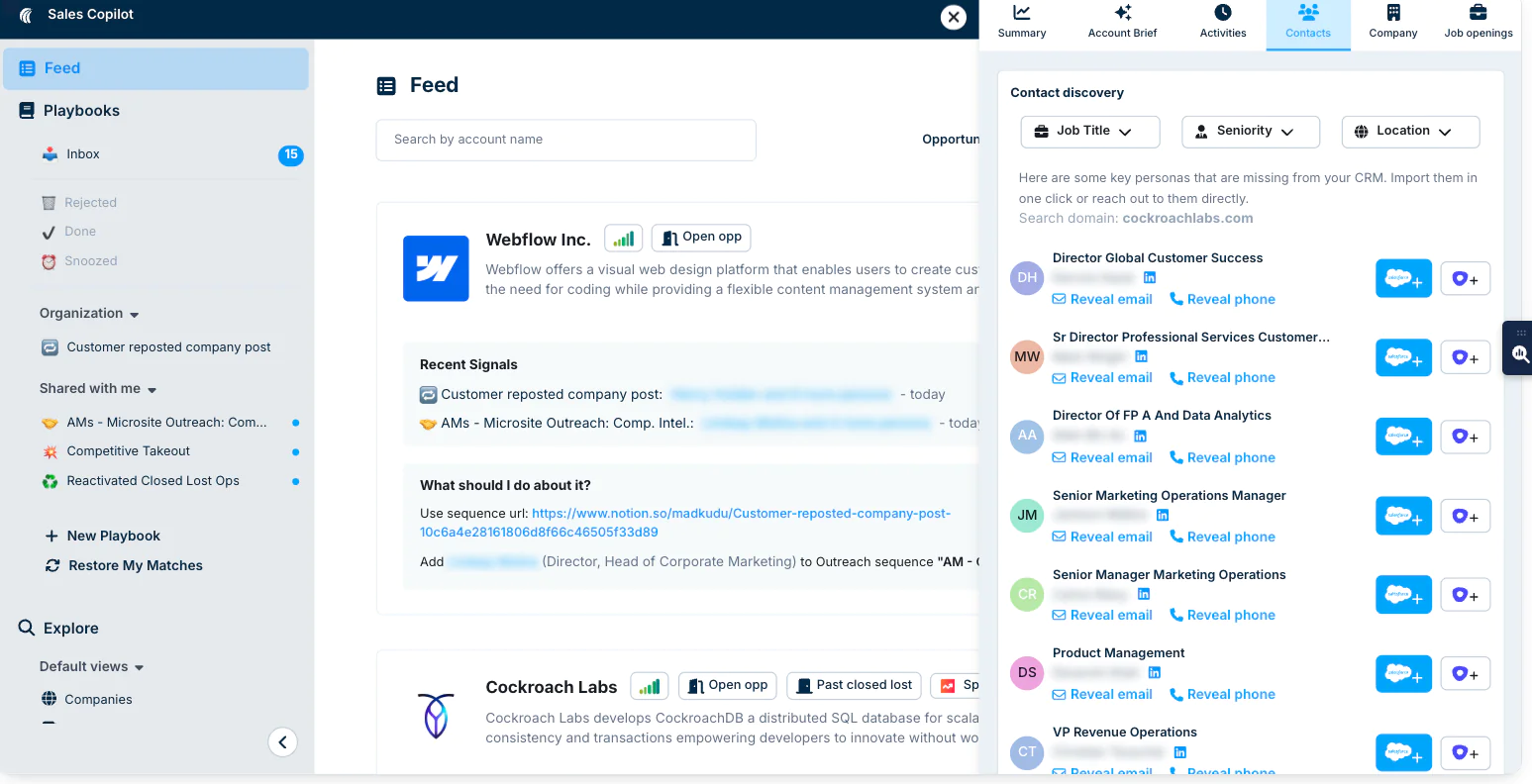
AI Prioritization: Score and rank accounts daily.
- Continuously aggregate first-party and HG data signals in a single platform.
- Evaluate accounts daily for signal changes or new activities.
- AI ranks accounts based on weighted signals reflecting buyer intent and readiness.
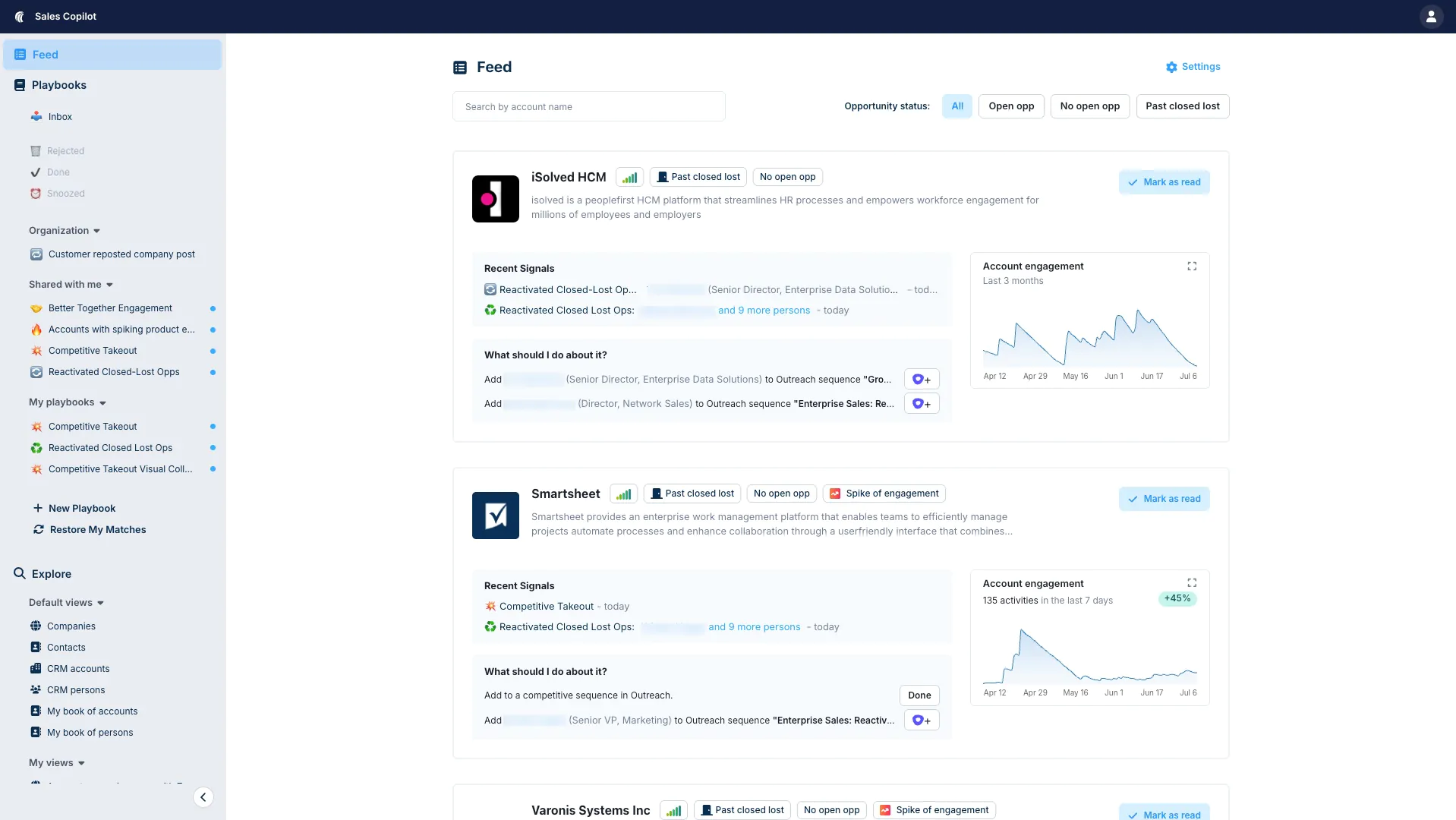
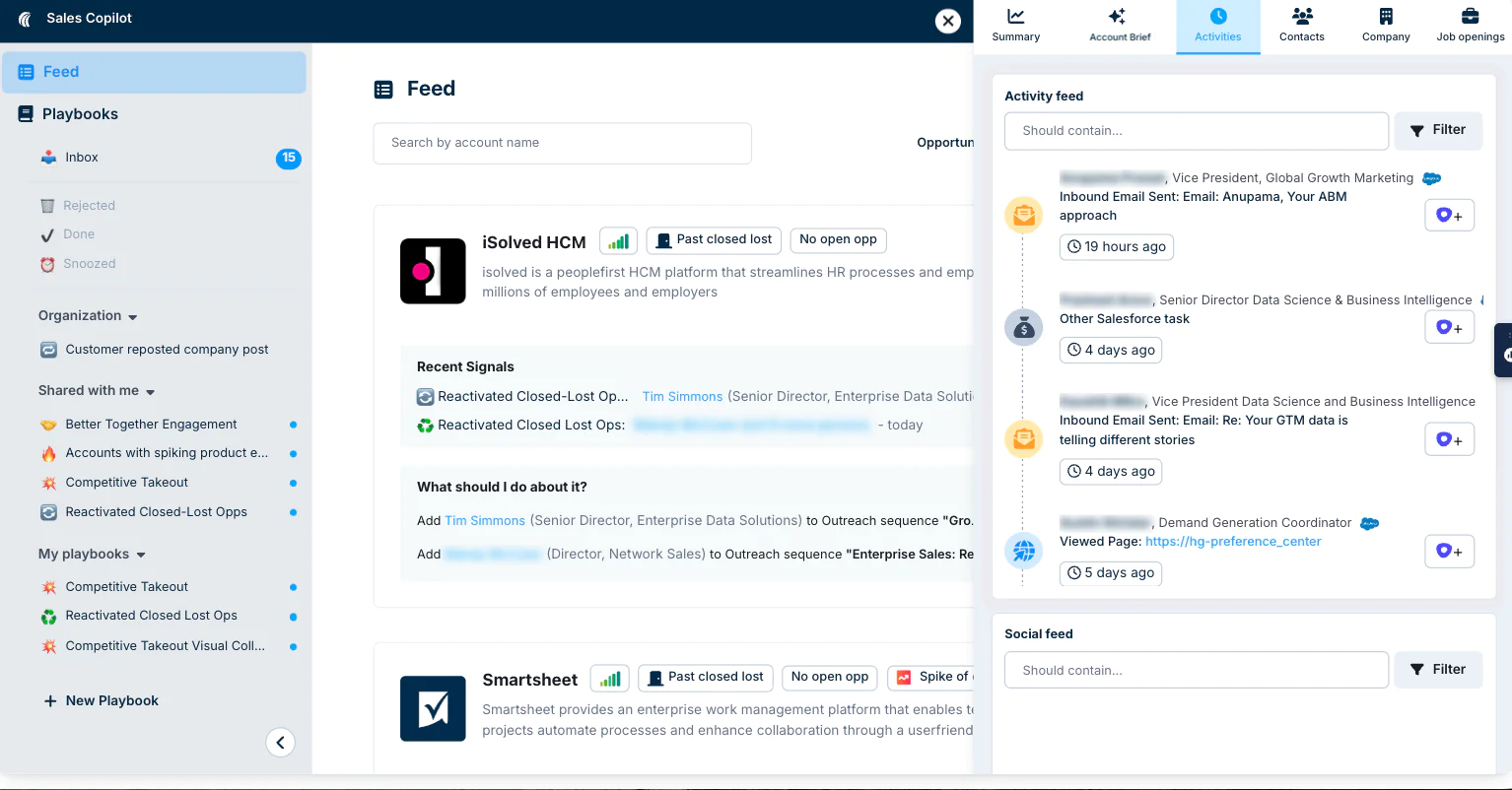
Seller Action: Engage top accounts with relevant signals.
- Sellers receive a personalized, daily ranked list of top accounts.
- View precise "why" including demo views, hiring events, tech installs driving prioritization.
- Take immediate outreach actions via integrated sales engagement tools like Outreach or Salesloft.
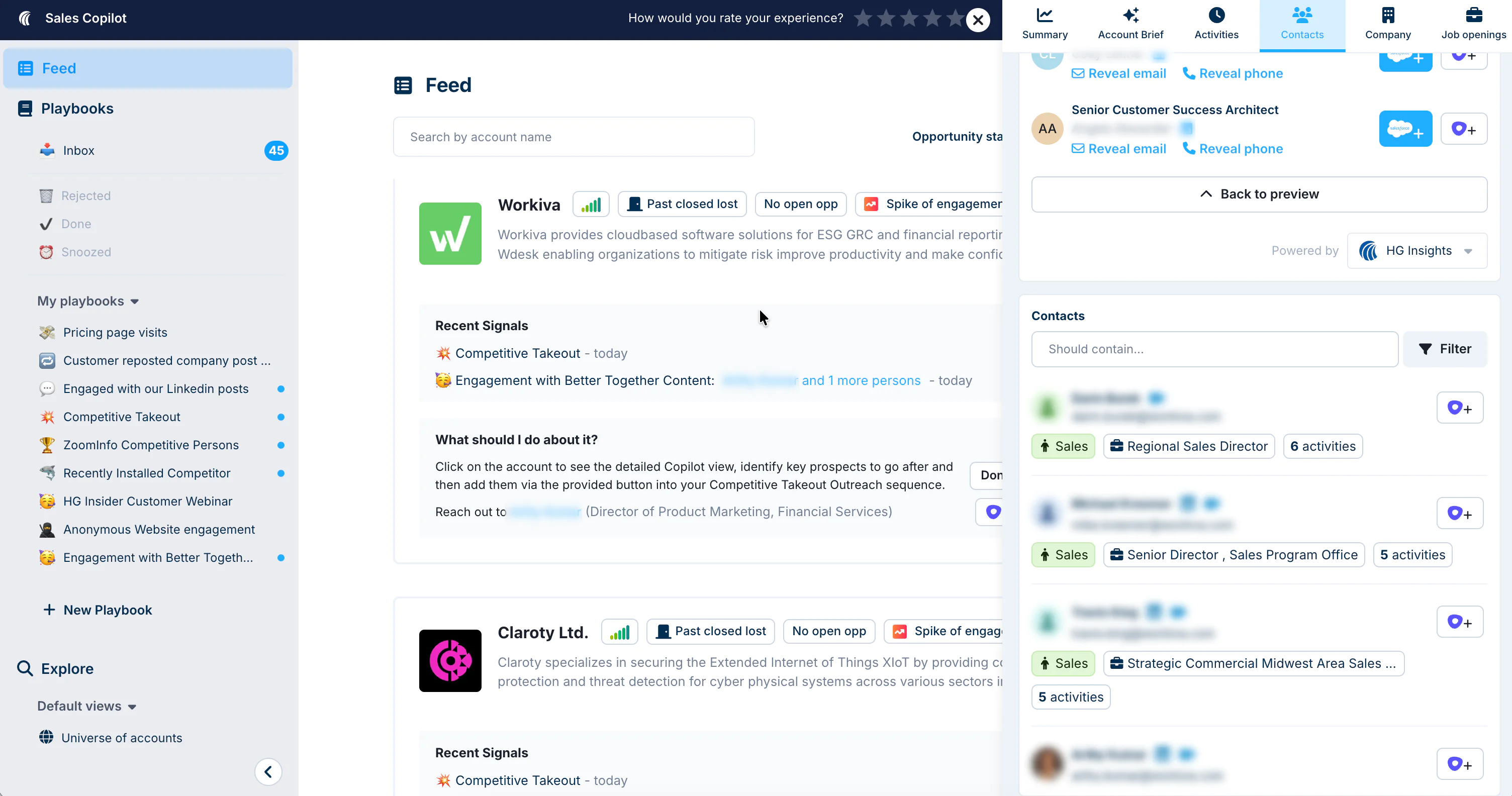
Contact Activation: Surface and enrich the right contacts.
- Surface recommended contacts using AI-driven analysis contextual to the account and revenue use case.
- Enrich contacts with verified email and phone through real-time validation.
- Add contacts directly to Salesforce, Gong, Outreach, Salesloft, or HubSpot without leaving the platform.
Admin Refinement: Adjust signals to align with GTM strategy.
- Admins override or adjust signal weights based on evolving business priorities.
- Customize scoring logic for alignment with sales and marketing goals.
- Maintain transparency and control over prioritization criteria.